Golden Club Moss: A Fascinating Plant for Your Garden
Golden Club Moss (Selaginella kraussiana) is a plant that belongs to the Selaginellaceae family. The plant gets its name from its golden-green color and moss-like appearance. It is a popular choice for gardeners due to its unique texture and aesthetic appeal.
This blog post will provide you with everything you need to know about Golden Club Moss, including its origin, growth conditions, care tips, and more. So, let's get ed!
Origin
Golden Club Moss is native to South Africa, where it grows in rocky crevices and shaded areas. It is a slow-growing plant that can take several years to reach maturity. In the wild, it can grow up to 30cm high, but when grown indoors, it usually reaches a height of around 10cm.
Growth Conditions
Golden Club Moss prefers humid and cool conditions. It thrives in partial shade and should never be exposed to direct sunlight. If the plant is subjected to too much heat or light, it may turn brown and dry out.
The ideal temperature range for Golden Club Moss is between 60°F and 75°F. It needs to be watered regularly to maintain its moisture levels, but it should not be over-watered as this can lead to root rot.
Propagation
Golden Club Moss can be propagated through spores or stem cuttings. To propagate the plant through spores, you will need to place the spores on top of moist soil and cover them with plastic wrap. Keep the soil moist and wait for the spores to germinate.
To propagate through stem cuttings, select a healthy stem and cut it just below a node. Place the cutting in moist soil and keep it in a warm, humid location until it roots.
Care Tips
Golden Club Moss is a low-maintenance plant, but it does require a certain level of care to thrive. Here are some tips to help you care for your Golden Club Moss:
- Water the plant regularly, but avoid over-watering
- Keep the plant in partial shade and away from direct sunlight
- Maintain a cool and humid environment for the plant
- Fertilize the plant once a month with a balanced fertilizer
- Prune the plant occasionally to maintain its shape
Uses
Golden Club Moss is primarily used as an ornamental plant due to its unique texture and appearance. It can be grown in a variety of containers and terrariums, making it a popular choice for indoor gardening.
The plant is also used in traditional medicine to treat various ailments. It has been found to have antifungal, antibacterial, and anti-inflammatory properties.
Interesting Facts
Here are some interesting facts about Golden Club Moss:
- The plant is not actually a moss, but rather a member of the fern family.
- The plant's golden-green color comes from the presence of chloroplasts in its cells.
- Golden Club Moss has been around for millions of years and is considered a living fossil.
Common Problems
Like any other plant, Golden Club Moss is susceptible to certain problems. Here are some common issues that you may encounter with this plant:
- Browning or drying out due to exposure to too much heat or light
- Root rot due to over-watering or poor drainage
- Pest infestations, such as spider mites or scale insects
Golden Club Moss is a fascinating plant that is sure to add a touch of elegance to your garden or indoor space. With its unique texture and aesthetic appeal, it is no wonder that this plant has become a favorite among gardeners.
By following the care tips outlined in this blog post, you can ensure that your Golden Club Moss stays healthy and vibrant for years to come.
Frequently Asked Questions
Q1. What is the ideal soil type for Golden Club Moss?
A1. Golden Club Moss prefers well-draining soil that is rich in organic matter. A mixture of peat moss, perlite, and sand is recommended.
Q2. Can Golden Club Moss be grown outdoors?
A2. Golden Club Moss can be grown outdoors in areas with a mild climate. It should be planted in a shaded area with well-draining soil.
Q3. How often should I water my Golden Club Moss?
A3. Golden Club Moss should be watered regularly, but avoid over-watering. The soil should be kept moist, but not soggy.
Q4. Does Golden Club Moss require fertilizer?
A4. Yes, Golden Club Moss requires fertilization once a month with a balanced fertilizer.
Q5. Can Golden Club Moss be grown in a terrarium?
A5. Yes, Golden Club Moss is an excellent choice for terrariums due to its small size and unique texture.
Q6. How do I propagate Golden Club Moss?
A6. Golden Club Moss can be propagated through spores or stem cuttings. Refer to the propagation section in this blog post for more details.
Q7. What are some common problems with Golden Club Moss?
A7. Common problems include browning or drying out due to exposure to too much heat or light, root rot due to over-watering or poor drainage, and pest infestations.
Q8. Can Golden Club Moss be grown in a hanging basket?
A8. Yes, Golden Club Moss can be grown in a hanging basket as long as it is kept in a cool and humid environment.
Q9. Is Golden Club Moss toxic to pets?
A9. No, Golden Club Moss is not toxic to pets.
Q10. What are some uses of Golden Club Moss?
A10. Golden Club Moss is primarily used as an ornamental plant, but it also has medicinal properties and is used in traditional medicine to treat various ailments.
14 Golden club moss Images

Selaginella Kraussiana Auera Golden Club Moss Plants Low Light

Orontium Aquaticum Golden Club With Images Aquatic Plants Plants

Found On Google From Pinterestcom Plant Fungus Lichen Moss

Club Moss Hardy Plants Moss Trailing Plants
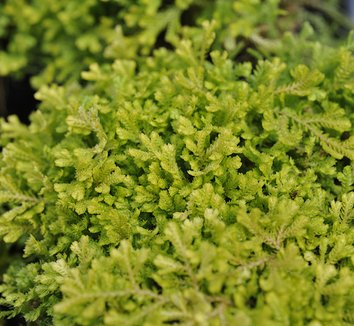
Golden Club Moss Spikemoss Selaginella Kraussiana Aurea

Selaginella Kraussiana Golden Tips Golden Club Moss Fern Fairy

Pin On Outdoors

Golden Moss Fern

Pin By Oasa DuVerney On Planted Plants Herbs Moss

Purple Sea Moss Vs Gold Sea Moss In 2020 Sea Moss Alkaline Foods

Selaginella Care Cactus Tropicals Moss Plant Cactus And

Selaginella Umbrosa Red Club Moss Terrarium Plants Plants Garden

Selaginella Kraussiana Variegata Plants Moss Herbs

Golden Club Moss Selaginella Kraussiana Aurea Logees Terrarium
Posting Komentar untuk "Golden Club Moss: A Fascinating Plant for Your Garden"